For hot weather, start with an Arabian perfume that leans citrus, aquatic, green, airy floral, or clean musky. Then check the dry-down before you decide. A fresh opening can still become sweet, woody, or intense later. Therefore, the goal is not simply to find the “lightest” bottle. Instead, choose a scent direction you enjoy and use an application that suits the setting.
If you want current SWID options to compare, start with three different scent directions. Try Odyssey Limoni by Armaf, Club De Nuit Intense Sillage by Armaf, and Hawas Ice by Rasasi. Limoni is the most citrus-led of the three. Meanwhile, Sillage adds florals, musk, woods, and ambroxan. Hawas Ice moves toward fruity, aquatic, spicy, and musky notes.
Quick answer: what works well in hot weather?
First, look at the whole note structure rather than one fresh top note. Citrus and marine notes can give a bright start. However, amber, sweet fruit, musk, woods, or strong aroma chemicals can make the later stages feel fuller. Therefore, compare both the opening and the base.
Bright citrus: Odyssey Limoni centers lemon, orange, mandarin, and bergamot.
More presence: Club de Nuit Sillage adds florals, musk, woods, and ambroxan.
Fruity-aquatic freshness: Hawas Ice combines apple and citrus with plum, spice, musk, amber, driftwood, and moss.
In close spaces: start with a conservative application, then add more only if needed.
For evening heat: you can still wear oud, amber, or sweeter styles, although a lighter application may feel more comfortable.
These are editorial suggestions, not rules. In addition, public reviews show that people can disagree sharply about strength, sweetness, and synthetic notes. So, testing on your own skin remains the safer way to choose.
Three Arabian perfumes to compare for warm weather
Also, apple, citrus, plum, cardamom, musk, amber, driftwood, and moss
Finally, consider it for a sweeter fruity-aquatic direction
However, some reviewers find it too strong, sweet, or synthetic
Use the product links for current price and availability. Because SWID can show location-based pricing, this guide does not hard-code a price.
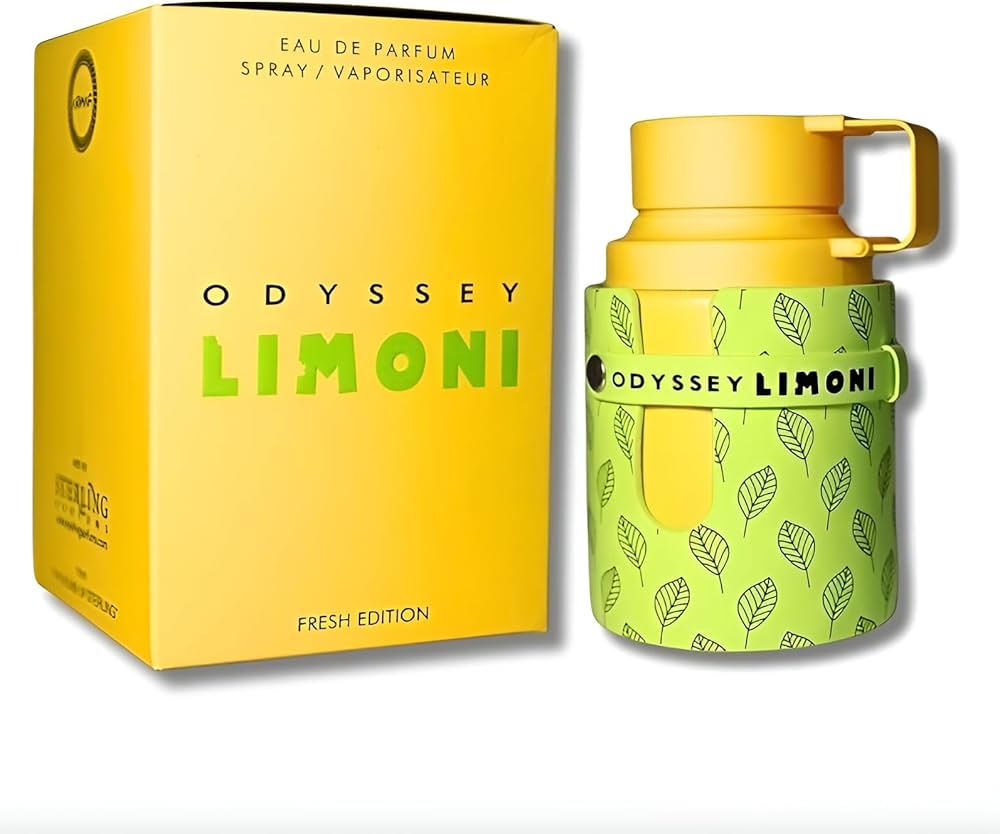
Odyssey Limoni: the citrus-first option
Product photo: Odyssey Limoni by Armaf, 100 ml Eau de Parfum.
On SWID, Odyssey Limoni is a 100 ml Eau de Parfum. Armaf lists lemon, sweet orange, bergamot, and mandarin on top. Then ginger, orange blossom, and marine notes form the middle. Finally, amber, musk, and blue tea form the base.
For this topic, Limoni has the clearest manufacturer-backed warm-weather case. Armaf labels it fresh and lists spring, summer, daytime, outdoor, and casual use. Therefore, it is a logical first comparison for someone who wants citrus to stay central.
Public feedback is positive about the bright citrus idea, but performance opinions vary. For example, some reviewers enjoy it specifically in heat. However, others report weak projection or short wear. A few also describe the citrus as artificial. Therefore, choose Limoni for the scent direction, not for a guaranteed performance claim.
Editorial recommendation: choose Limoni first if lemon, orange, and marine freshness matter more than sweetness. In contrast, skip it if you dislike citrus-forward openings or expect a very forceful scent cloud.
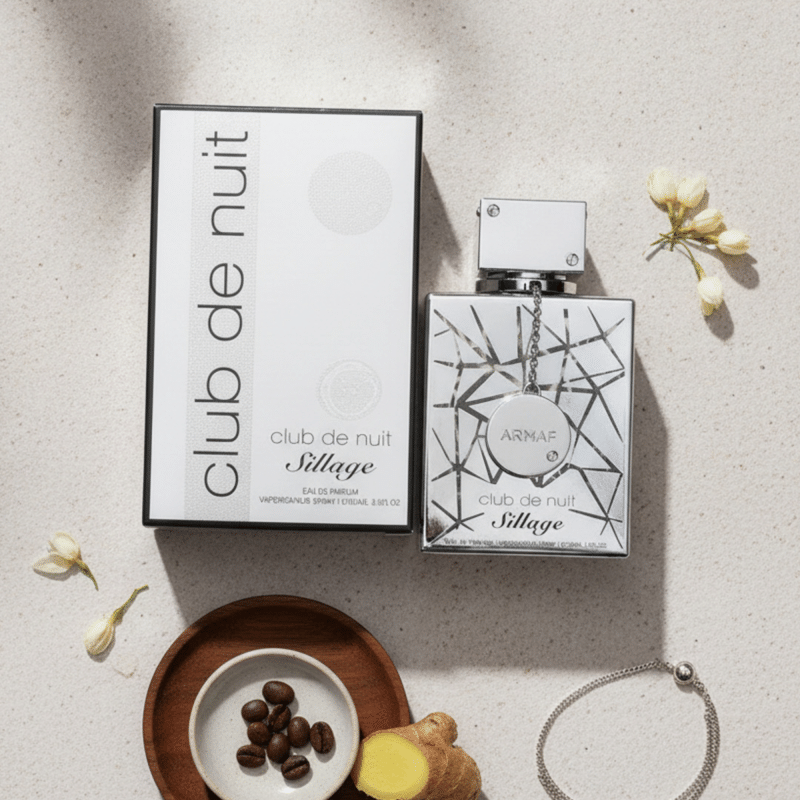
Club de Nuit Sillage: fresh, floral, musky, and stronger in character
Shown above: Club de Nuit Sillage by Armaf, 105 ml Eau de Parfum.
On SWID, Club de Nuit Sillage is a 105 ml Eau de Parfum. Armaf lists bergamot, lemon, lime, ginger, blackcurrant, and violet leaf on top. Next, jasmine, iris, and rose form the middle. Finally, sandalwood, cedarwood, musk, and ambroxan form the base.
This structure gives Sillage a different warm-weather role than Limoni. Specifically, it keeps citrus at the start but adds floral, musky, woody, and ambroxan elements. Therefore, it may suit a shopper who finds very simple citrus scents too light.
Public feedback is more polarized here. Some reviewers describe Sillage as fresh, clean, and persistent. However, others describe the opening as sharp, metallic, or synthetic. Several also warn that a heavy application can feel excessive in heat. So, a cautious first wear makes sense.
Editorial recommendation: choose Sillage if you want a fresher profile with more presence and a musky-woody base. However, sample it first if metallic or highly synthetic openings bother you.
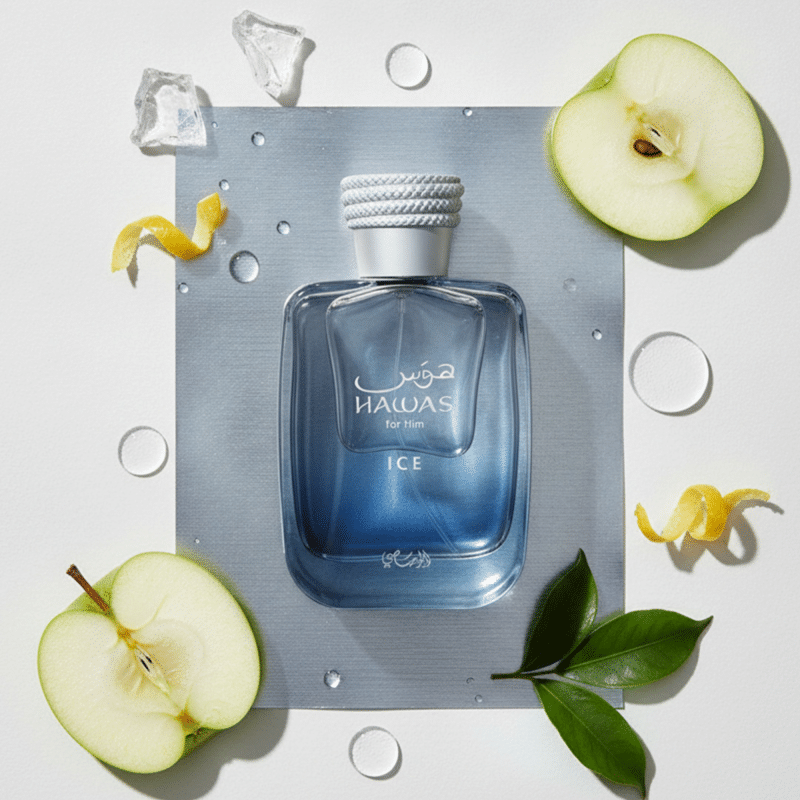
Hawas Ice: fruity-aquatic freshness with a sweeter base
Product photo: Hawas Ice by Rasasi, 100 ml Eau de Parfum.
On SWID, Hawas Ice is a 100 ml Eau de Parfum. Rasasi lists frozen apple, bergamot, lemon, and star anise on top. Then orange blossom, an iced marine accord, plum, and cardamom form the heart. Finally, moss, driftwood, amber, and musk form the base.
Rasasi describes Hawas Ice for spring and summer use. Still, its structure is not a minimal citrus profile. Fruit, spice, amber, and musk give it more sweetness and depth than Limoni. Therefore, it is the better comparison when you want fresh and sweet together.
Public feedback is strong overall, yet the criticism matters for hot weather. Several reviewers like its fresh and fruity character. However, some call it synthetic, loud, or headache-inducing when oversprayed. In addition, review comments disagree on whether its sweetness feels refreshing or excessive.
Editorial recommendation: choose Hawas Ice if you enjoy fruity-aquatic scents with a sweeter finish. In contrast, choose Limoni first if you want the least dessert-like direction among these three.
First, decide what you mean by “fresh.” If you mean lemon and orange, start with Limoni. However, if you mean clean citrus with florals and musk, compare Sillage. If you mean fruity, aquatic, and slightly sweet, Hawas Ice is the more natural starting point.
Second, think about where you will wear it. For example, a crowded office may reward a lighter application. Meanwhile, an outdoor evening gives you more room to wear a richer profile. Therefore, application matters almost as much as the note list.
Third, wait for the dry-down. A bright first minute does not tell you how amber, musk, woods, or sweet fruit will feel later. So, compare the scent after the opening settles before buying based on the first spray alone.
Should you avoid oud, amber, and vanilla in summer?
No. Instead, treat them as richer directions that may need more care in heat. For example, a shopper who loves oud does not need to switch to citrus for an entire season. However, fewer sprays or an evening setting may make a dense scent easier to enjoy.
Likewise, sweetness is not automatically a problem. Hawas Ice shows why the full structure matters. It combines fresh citrus and aquatic ideas with fruit, amber, and musk. Therefore, “fresh” and “sweet” can exist in the same fragrance.
If none of the three profiles feels quite right, you can also explore a custom fragrance. First, browse the SWID perfume oil library. The library shows ready inspired-by oils, Arabian-inspired options, and individual notes with availability.
For example, look for the Neroli Portofino-inspired citrus oil or the Najdia-inspired aromatic oil when each shows as available. These are SWID inspired-by oils, not the original branded perfumes. Therefore, treat them as separate SWID fragrance interpretations.
Then use Create Your Own Perfume to choose an alcohol-based or oil-based format. The builder allows one oil in 30 ml and up to four oils in 50 ml or 100 ml. SWID includes complimentary name engraving with the custom fragrance; check the eligible bottle styles before choosing.
Local shoppers can visit SWID Perfumery at 953 Main St, Paterson, NJ 07503. For current store hours, use the contact page. Meanwhile, distant shoppers can start with the online builder and oil library.
Frequently asked questions
Which of these three smells the most citrus-forward?
Odyssey Limoni has the clearest citrus-first structure. Specifically, its opening lists lemon, sweet orange, mandarin, and bergamot. Therefore, it is the first option to compare if citrus is your priority.
Which option is better if I want stronger presence?
Public feedback often describes Sillage and Hawas Ice as more forceful than Limoni. However, individual wear varies, and reviews disagree. So, treat that as public opinion rather than a performance guarantee.
Is perfume oil better than spray perfume in hot weather?
Not automatically. Instead, choose the format that fits how you like to apply fragrance. Composition and application both matter, so there is no universal winner.
How many sprays should I use in summer?
There is no fixed number that works for every perfume or setting. Therefore, start conservatively in close spaces and adjust after you know the fragrance. Also, avoid assuming that “fresh” always means weak.
Can I still wear sweet Arabian perfume in hot weather?
Yes, if you enjoy it. However, consider the setting and the full dry-down. A lighter application can also make a sweet profile easier to wear around other people.
Choose by scent direction, not by the season label alone
In short, hot-weather shopping becomes easier when you compare scent direction, dry-down, and setting. First, choose the type of freshness you actually enjoy. Then compare Limoni for citrus, Sillage for fresh floral musk, or Hawas Ice for fruity-aquatic sweetness.
Finally, test before committing whenever possible. Public reviews can reveal common praise and complaints, but they cannot predict your experience. If you want help narrowing the options, contact SWID Perfumery or visit the Paterson store.
Share your love
Newsletter Updates
Enter your email address below and subscribe to our newsletter
[…] more specific guidance, read SWID’s guide to choosing an Arabian perfume for hot weather. For a shared scent, also explore the unisex Arabian perfume guide. In addition, SWID compares […]
[…] deciding? For a warm-weather option, read our guide to choosing an Arabian perfume for hot weather. You can also compare options in our Arabian perfumes under $50 […]
[…] warm or humid days, read SWID’s guide to choosing an Arabian perfume for hot weather. If you are curious about oud, see the guide to oud versus regular […]
[…] Also, consider your setting before applying more. A fragrance you enjoy outdoors may feel too noticeable in a shared room. For warmer days, read how to choose Arabian perfume for hot weather. […]
 Luxury Fragrance House




[…] more specific guidance, read SWID’s guide to choosing an Arabian perfume for hot weather. For a shared scent, also explore the unisex Arabian perfume guide. In addition, SWID compares […]
[…] deciding? For a warm-weather option, read our guide to choosing an Arabian perfume for hot weather. You can also compare options in our Arabian perfumes under $50 […]
[…] warm or humid days, read SWID’s guide to choosing an Arabian perfume for hot weather. If you are curious about oud, see the guide to oud versus regular […]
[…] Also, consider your setting before applying more. A fragrance you enjoy outdoors may feel too noticeable in a shared room. For warmer days, read how to choose Arabian perfume for hot weather. […]