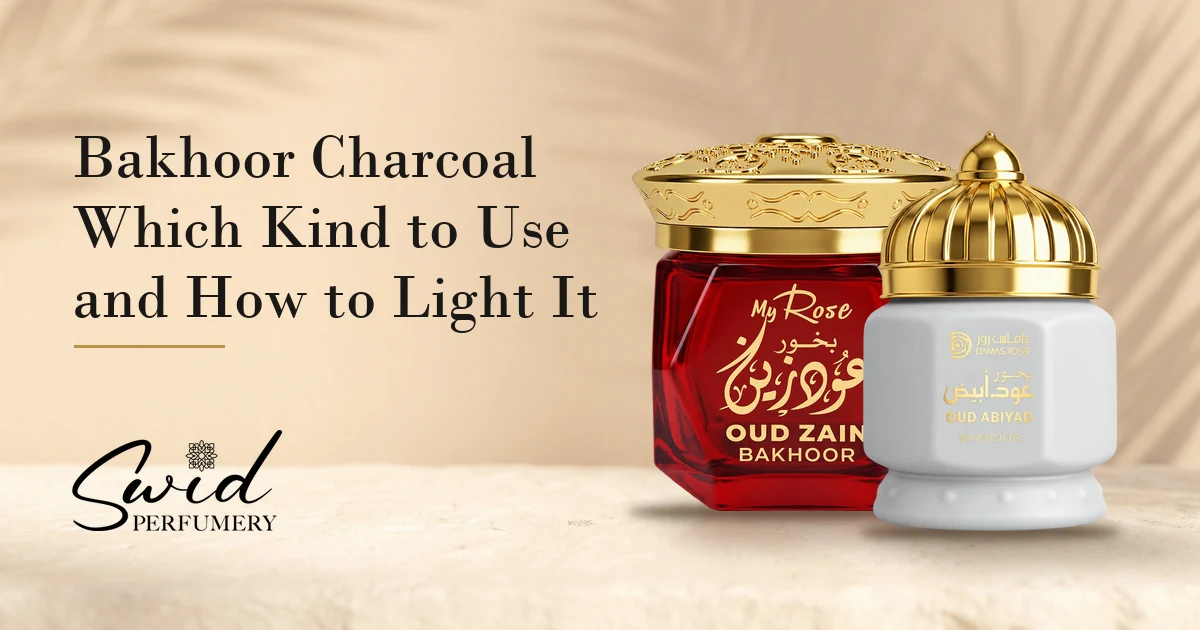
The right bakhoor charcoal is a small charcoal disc made for incense, never barbecue charcoal. You light it, wait until the sparks stop and grey ash covers it, then set one small piece of bakhoor on top. One thing to know before you light a disc at home: US health agencies say never to burn charcoal indoors, and an electric burner heats bakhoor with no charcoal at all. Below, we cover both.
Bakhoor charcoal: quick facts
Use: a charcoal disc sold for incense. Quick-light discs are the easiest, because a lighter is enough.
Don’t use: barbecue briquettes or grill charcoal.
Ready when: the sparks have stopped and grey ash covers the disc.
How much bakhoor: one small piece at a time.
Safety: burning charcoal gives off carbon monoxide. The CDC says never to burn charcoal indoors.
No charcoal: an electric bakhoor burner, or incense sticks and cones that light at the tip.
Three kinds are sold for incense. They differ mostly in how you light them.
Kind
How it lights
Good to know
Quick-light discs
With a lighter or a match. Sparks run across the disc.
An ignition agent is added so they light easily. The maker Three Kings sells them in 33 mm and 40 mm.
Natural coconut charcoal
On an electric coil burner, for a few minutes on each side. A lighter won’t light it.
Nothing is added to help it light. Most guides for it are written for hookah.
Japanese incense charcoal
Lit first, then set into a bowl of ash.
Shoyeido, a Japanese incense maker, calls its ceremonial charcoal clean burning and scentless.
In our view, quick-light discs are the practical pick for a first try, because you only need a lighter and a pair of tongs.
How long does a disc last? By Three Kings’ own figures, a 33 mm disc burns for about 20 to 30 minutes and a 40 mm disc for 50 to 60. Its blog gives slightly different numbers, so treat any figure as rough.
Barbecue charcoal is the one to leave out. It’s made for cooking outdoors, and Kingsford, the barbecue charcoal maker, prints a carbon monoxide warning with its own lighting instructions: never burn charcoal inside homes, vehicles or tents. A burner maker adds that briquettes contain binders and give off strong smells.
How to light bakhoor charcoal, step by step
These steps follow a charcoal maker’s own instructions for incense, plus fire-service advice on where to put the burner.
Set the burner on a flat, heat-resistant surface, such as a ceramic tile or a metal tray. Keep it well away from curtains, clothes and paper.
Open a window or a door before you light anything.
Pick up one disc with tongs and place it in the burner. A bed of sand or ash in the bowl helps protect the burner.
Hold a flame to the edge until sparks run across the whole disc. Don’t touch the disc with your fingers once it’s lit.
Wait until the sparks have stopped and a grey ash covers the disc. That’s the sign it’s ready.
Set one small piece of bakhoor on top, with a small spoon or the tongs.
When the smoke thins and you want more, add another small piece.
How long is the wait in step 5? Guides give anything from under a minute to about ten, so go by the grey ash, not the clock.
Why wait at all? Bakhoor placed on a disc that’s still sparking picks up the sharp smell of the disc lighting, and it scorches. Burner makers and bakhoor sellers give that same reason.
How much bakhoor to put on the charcoal
At our counter, the mistake we hear about most is using too much. Bakhoor set straight onto hot charcoal burns quickly and gives off a lot of smoke, so a big piece is rarely what you want.
So start with one small piece. Our listings for the Damas Rose and My Rose jars say the same: set one small piece on the heat. For Aouj’s dukhoon, the listing says a small pinch. You can always add more.
Want it slower and softer? Shoyeido, the Japanese incense maker, covers the lit charcoal with a thin layer of ash and sets the wood on the ash, not on the coal. Its guide says warming the wood on hot ash is better than burning it directly. Some bakhoor sellers suggest something similar: put the piece on the ashy edge of the disc, away from the red centre.
How long does one piece last? We couldn’t find a measured answer. One bakhoor brand says to take the piece off after 15 to 20 minutes, because after that you start to smell burning.
Which SWID bakhoor needs charcoal?
Not everything in our Bukhoor category goes on charcoal. Here’s how the forms differ, going by each product’s listing.
All three are 30 g jars of perfumed oud wood, and all three burn on a charcoal disc or an electric burner. We picked them to show a range of smoke, from light to strong, going by how our listings describe them. We haven’t burned them side by side.
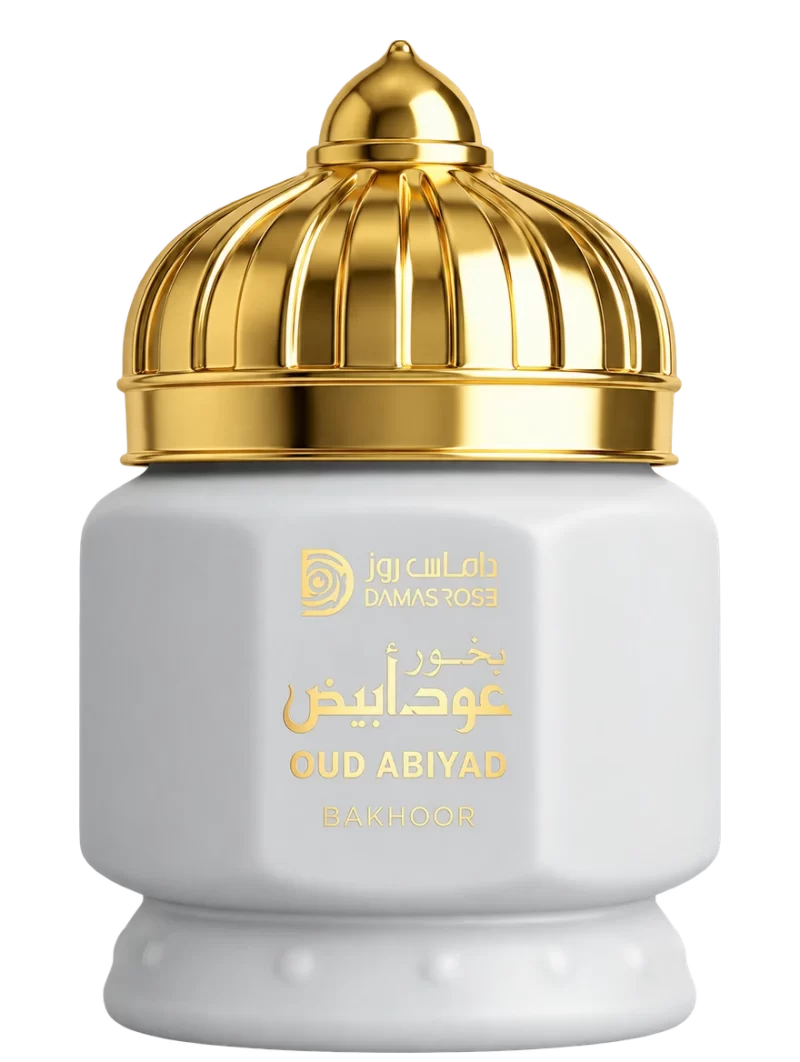
Oud Abiyad: the lighter one
Oud Abiyad Bakhoor Jar by Damas Rose is a white oud bakhoor. Our listing describes a lighter, cleaner smoke, for people who love oud but don’t want it heavy. Going by that description, it’s a sensible first jar, and a good fit for a small room.
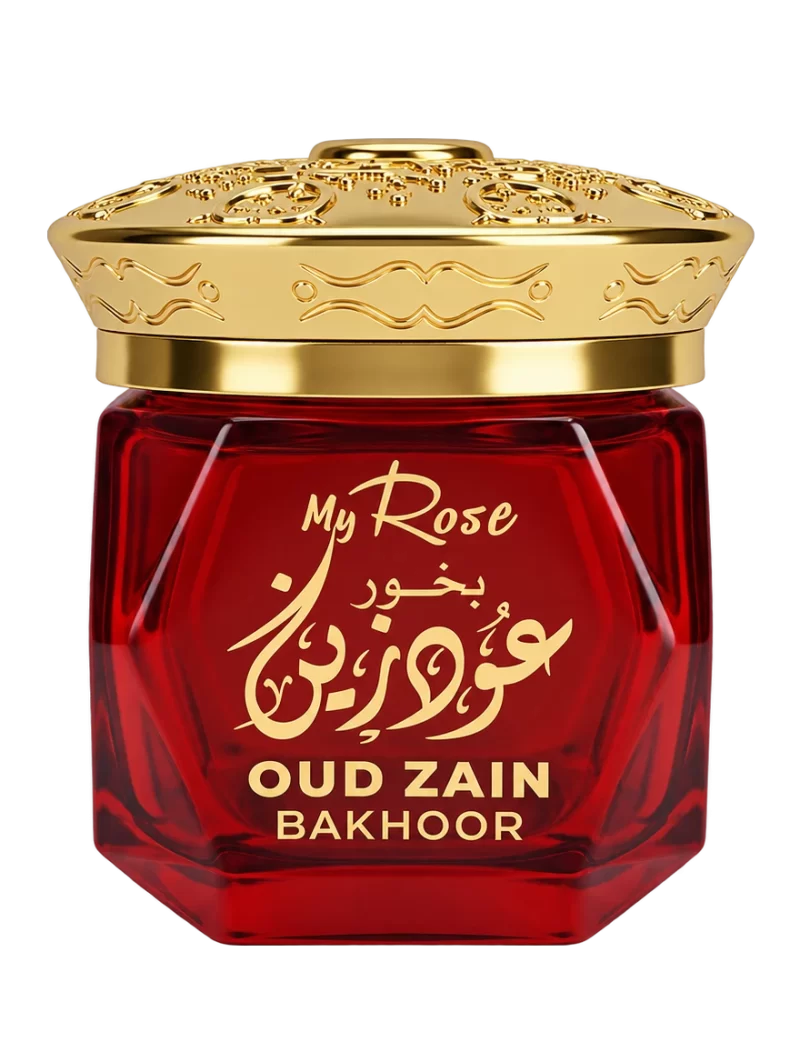
Oud Zain: the everyday one
Oud Zain Bakhoor Jar by My Rose is described in our listing as smooth, even smoke for daily burning. Pick it for an ordinary evening at home, or for the half hour before visitors arrive.
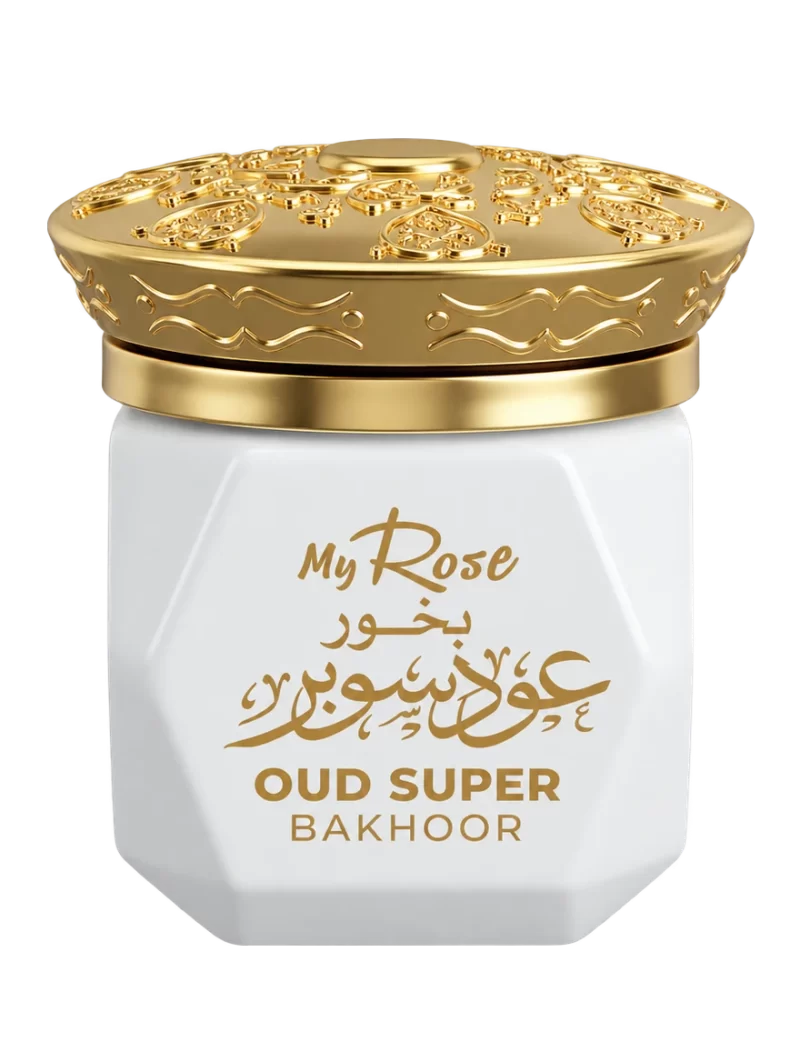
Oud Super: the strong one
Oud Super Bakhoor Jar, also by My Rose, gives a dense smoke that fills a room quickly, according to our listing. It suits a big room or a full house. With smoke this dense, start with an even smaller piece.
Charcoal or an electric bakhoor burner?
An electric bakhoor burner has a heating element under a plate or a small metal cup, so nothing is lit and nothing sparks. The plate and the metal body still get hot, one burner maker notes.
Charcoal disc
Electric burner
What heats the bakhoor
A burning charcoal disc
A heated plate
Carbon monoxide from charcoal
Yes. Burning charcoal gives off carbon monoxide.
None, because there is no charcoal. The bakhoor itself still makes smoke.
Scent
Stronger and smokier, sellers say
Softer, sellers say
What you need
A lighter, tongs and a burner with a heatproof bowl
A power socket. Follow the maker’s instructions for how long to run it.
A 2013 lab study at the University of North Carolina burned Emirati oud and bakhoor on charcoal in a test chamber. It found that the charcoal was the main source of the carbon monoxide. In the university’s press release, the authors suggested more ventilation, and electric burners as an alternative to charcoal.
So if you burn bakhoor indoors often, an electric burner is the way to take charcoal out of the room. It doesn’t remove the smoke of the bakhoor itself.
Bakhoor charcoal safety
Burning charcoal gives off carbon monoxide, a gas with no smell and no color. Here is what the official advice says, and what it doesn’t say.
The CDC: “Never burn charcoal indoors. Burning charcoal – red, gray, black, or white – gives off CO.”
The Consumer Product Safety Commission warns never to use charcoal to cook or heat inside enclosed spaces, homes included.
Both were written about grills and heating. Neither mentions incense discs, and neither makes an exception for them.
The EPA says to make sure there is proper ventilation when burning candles and incense indoors.
We found no official figure for a safe number of discs, a safe room size or a safe burning time.
If you use a charcoal disc at home
Greater Manchester Fire and Rescue Service, in the UK, is one of the few fire services with advice written for bakhoor. It says to:
burn it in a well-ventilated area, with windows or doors open;
have a working carbon monoxide detector in every room where it burns;
use a holder made for bakhoor that is heat-resistant, sturdy and catches falling embers, on a ceramic tile or a metal plate;
keep it away from curtains, clothes and paper, and out of reach of children and pets;
never leave it unattended.
The same page says it’s safer not to carry a lit burner around the house. Many people do walk the burner from room to room, so take that as the fire service’s view. The Seattle Fire Department adds two more rules for incense: keep it at least 12 inches from anything that can burn, and put it out before you leave the room or go to bed.
A carbon monoxide alarm warns you. It doesn’t make charcoal safe to burn indoors. The CDC says to install one near every sleeping area. It lists the most common symptoms of carbon monoxide poisoning as headache, dizziness, weakness, upset stomach, vomiting, chest pain and confusion. If you notice any of them, the CPSC says to get outside to fresh air right away and then call 911.
Smoke and sensitive lungs
The smoke of the bakhoor matters too, with or without charcoal. The EPA says children, older adults and people with heart or lung diseases such as asthma and COPD may be at greater risk from particles in the air. In a 2009 survey in Oman, parents reported that bakhoor made wheezing worse in 38% of the children who had asthma. The same survey found no link between bakhoor and having asthma in the first place. If someone at home has a heart or lung condition, ask their doctor before you burn bakhoor around them.
How to put out and store bakhoor charcoal
When you’re done: let the disc burn out in the burner, or lift it with tongs and drop it into a bowl of water. Three Kings says to put what’s left of a disc in water after use.
Before the trash: make sure the ash is completely cold. For grill coals, the US Fire Administration says to put them in a metal can with a lid once they have cooled, and the same care makes sense for a small disc.
The burner: let it cool fully before you move it or put it away.
Unused discs: keep them dry. Three Kings says to store its discs in a dry place, and sellers add that a damp disc sparks weakly or won’t light. Keep the foil roll closed, or use an airtight container.
Children: keep discs, lit or not, out of their reach.
Like the scent? Wear it too
If the oud or amber in a bakhoor wins you over, you can wear the same direction on your skin. The SWID Oil Library lists single-note oils such as Black Oud, Sandalwood and White Amber. Choose one for a 30 ml bottle, or blend up to five in a 50, 60 or 100 ml bottle with our custom perfume builder. You can add a name to an eligible bottle, too.
Not near us? You can order any of these jars online, and build a perfume to match in the builder.
Frequently asked questions
What charcoal do you use for bakhoor?
A charcoal disc made for incense. Quick-light discs light with a match or a lighter. Natural coconut charcoal needs an electric coil burner. Don’t use barbecue charcoal.
Can I use barbecue charcoal for bakhoor?
No. Barbecue charcoal is made for cooking outdoors, and its own packaging warns never to burn charcoal inside homes, vehicles or tents. Use a disc made for incense, or an electric burner.
How long does a bakhoor charcoal disc last?
By the maker Three Kings’ figures, a 33 mm disc burns for about 20 to 30 minutes and a 40 mm disc for 50 to 60 minutes. Its own blog gives slightly different numbers, so treat them as rough.
Do I need charcoal to burn bakhoor?
No. An electric bakhoor burner warms bakhoor on a heated plate, with no charcoal. Incense sticks and backflow cones don’t need charcoal either: you light the tip.
Is it safe to burn bakhoor charcoal indoors?
The CDC says never to burn charcoal indoors, because burning charcoal gives off carbon monoxide. That advice was written about grills and heating and doesn’t mention incense discs, but it makes no exception for them. A UK fire service with advice for bakhoor says to keep windows or doors open and to have a working carbon monoxide detector in the room. An electric burner avoids charcoal altogether.
Why does my bakhoor smell burnt?
Burner makers and bakhoor brands point to three causes: the piece is too big, it went on before grey ash covered the disc, or it stayed on too long. Use a smaller piece, wait for the ash, and take the piece off once the smell turns.
Sources and notes
Charcoal types and lighting: Three Kings (Quick Light Charcoal; Charcoal; its blog), Shoyeido Incense Co. (Soradaki; Koh Tadon ceremonial charcoal), Starlight Charcoal, a 2010 paper on waterpipe charcoal in Food and Chemical Toxicology (Sepetdjian, Saliba and Shihadeh), the burner maker HuaDi, and guides from incense and bakhoor sellers. Carbon monoxide: the US Centers for Disease Control and Prevention (Carbon Monoxide Poisoning Basics), the US Consumer Product Safety Commission (Charcoal; Carbon Monoxide), the US Environmental Protection Agency (Sources of Indoor Particulate Matter; Indoor Particulate Matter) and Kingsford.
Fire safety: Greater Manchester Fire and Rescue Service (Ceremonial Burning Practices), the Seattle Fire Department and the US Fire Administration. Research: Cohen, Sexton and Yeatts, “Hazard assessment of United Arab Emirates (UAE) incense smoke” (Science of the Total Environment, 2013), with the University of North Carolina’s press release, and Al-Rawas and others on bakhour and asthma symptoms in children (BMC Pulmonary Medicine, 2009). All read on November 24, 2026.
The official US advice on charcoal was written about grills and heating, not incense discs. Product details come from our own listings, and we haven’t burn-tested the three jars side by side. This guide is not medical advice.
 Luxury Fragrance House