Look for Arabian perfume notes that match scents you already enjoy. Start with rose or jasmine for flowers, amber or vanilla for warmth, and oud or sandalwood for wood. For freshness instead, explore citrus, green notes, or watery florals. Saffron, cardamom, and incense offer other directions, especially if you enjoy spice or resinous depth.
However, you do not need oud to enjoy an Arabian perfume. This broad shopping category includes fresh, floral, fruity, and sweet styles too. So, choose a combination you like rather than collecting supposedly essential notes.
Which Arabian perfume notes suit your taste?
First, decide how you want your fragrance to feel. Then use this guide to narrow the notes worth exploring. These pairings reflect editorial shopping advice, not results from a SWID wear test.
Your preference
Notes to explore
What else to check
Fresh and bright
Citrus, green notes, watery florals
However, check for a sweeter base.
Floral and expressive
Rose, jasmine, orange blossom
Also, decide whether you enjoy rich flowers.
Warm and sweet
Vanilla, amber, benzoin
Still, resinous warmth differs from dessert sweetness.
Woody and textured
Oud, sandalwood, cedar
For example, creamy wood differs from smoky wood.
Spicy or resinous
Saffron, cardamom, incense
Instead of guessing, test the full combination.
For a personal scent route, you can also explore the SWID perfume oil library. It separates available scent selections from the original branded perfumes discussed later.
Understand the notes before choosing a bottle
Oud: for woody depth
Oud can suggest earthy, woody, leathery, or smoky qualities. However, one oud perfume may smell very different from another. Rose can add floral contrast, while vanilla can introduce sweetness.
Choose this direction if deeper woods interest you. Otherwise, start with a fresh or floral profile you already enjoy. Also, an oud note does not establish natural agarwood content. Read SWID’s guide to oud and perfume for that distinction.
Amber: for resinous warmth
Amber usually describes an accord: several materials that create a combined scent impression. For example, a classic amber accord can combine labdanum, benzoin, and vanilla. It does not refer to the amber stone in jewelry.
Consider amber if warm, sweet, slightly powdery scents appeal to you. However, check its companions. Vanilla can emphasize sweetness, whereas woods or incense may steer the fragrance toward a drier impression.
Musk: for a clean, powdery, or skin-like finish
Musk covers a wide range of scent effects. Some interpretations feel clean or powdery, while others feel warmer or more animalic. Therefore, the word “musk” alone cannot tell you whether a perfume will feel freshly washed.
If you enjoy soft finishes, then explore musky florals or musky woods. Still, do not assume every musk fragrance feels quiet. The complete formula also determines its character.
Rose and jasmine: for floral character
Rose can feel fresh, fruity, powdery, or spicy. Jasmine, meanwhile, can add rich white-floral sweetness with musky or green nuances. Both appear in many styles, so neither belongs to one gender.
For example, rose with oud suggests a different direction from rose with fresh fruit. Likewise, jasmine with watery florals differs from jasmine surrounded by vanilla. Choose the surrounding notes carefully, especially if dense flowers usually overwhelm you.
Saffron and cardamom: for two different kinds of spice
Saffron can suggest bittersweet, leathery, earthy, or hay-like qualities. In contrast, green cardamom can feel aromatic and cool, with an almost eucalyptus-like edge. Neither automatically makes a fragrance smell like sweet baking spice.
Explore saffron if textured spice appeals to you. For a fresher aromatic direction instead, consider cardamom. However, cinnamon and vanilla alongside either note may create a warmer overall impression.
Incense and woods: for resin, smoke, or creaminess
Incense can introduce a resinous or smoky impression. However, it does not always resemble burning wood. Frankincense also appears under the name olibanum.
Sandalwood offers another woody direction, often with creamy or balsamic qualities. Meanwhile, cedar can suggest drier wood. So, choose sandalwood for creamy-wood exploration, or investigate incense when resinous depth sounds more appealing.
Vanilla and gourmand notes: for sweetness
Vanilla can bring warmth and sweetness. However, it does not make every perfume smell like cake. Woods, flowers, or resins can also change the impression.
For a dessert direction, look for companions such as praline, caramel, or a dates accord. In contrast, choose a less gourmand profile if edible sweetness usually bothers you. A fruit note alone also does not prove that a perfume will smell sugary.
Citrus, green notes, and watery florals: for freshness
Bergamot, lemon, and mandarin offer citrus directions, while green notes suggest leaves or other fresh plant-like impressions. Lotus and water lily can support an aquatic floral style. Therefore, Arabian perfume shopping need not begin with smoky oud.
However, read past the opening notes. A bright start can lead into vanilla, musk, or substantial woods. For seasonal guidance, also read how to choose Arabian perfume for hot weather.
Read top, heart, and base notes together
Top notes describe the opening impression. Heart notes describe the main body, while base notes help describe the later scent, or dry-down. However, these stages overlap rather than switching at fixed times.
For example, citrus at the top does not guarantee a citrus-led fragrance throughout. Likewise, vanilla in the base does not prove dessert-like sweetness. A note list also does not reveal ingredient percentages, natural content, alcohol content, or a guaranteed wear time.
Instead, read the whole profile and ask what might balance your favorite note. If you like flowers but avoid sweetness, then check the base carefully. Two perfumes can share rose and musk while smelling quite different.
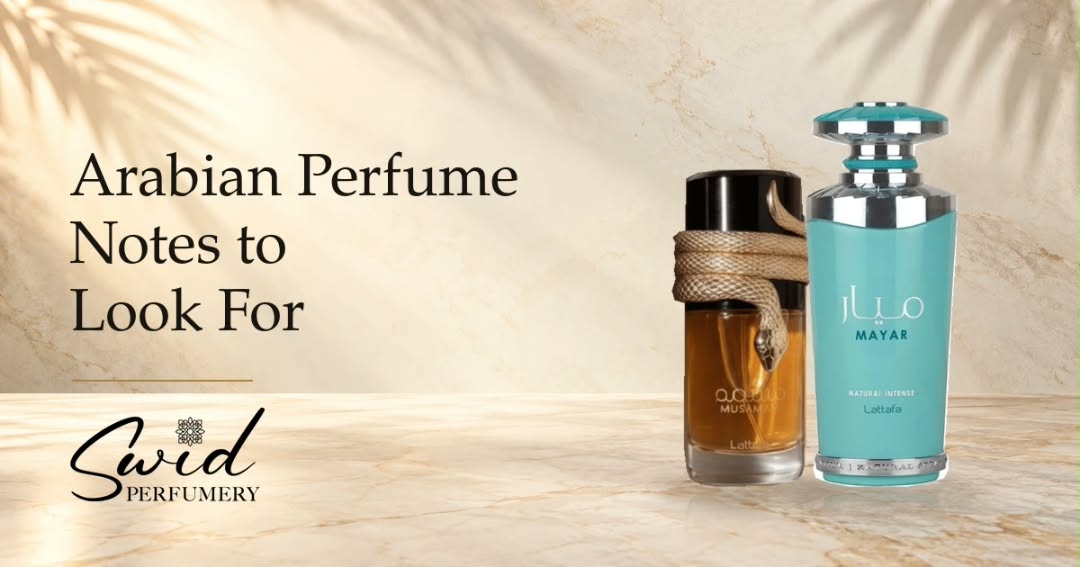
Two bottles that show why combinations matter
These examples illustrate contrasting note structures rather than a ranking. Both SWID listings identify 100 ml Eau de Parfum. Also, the public comments below describe personal impressions, not SWID testing or performance promises.
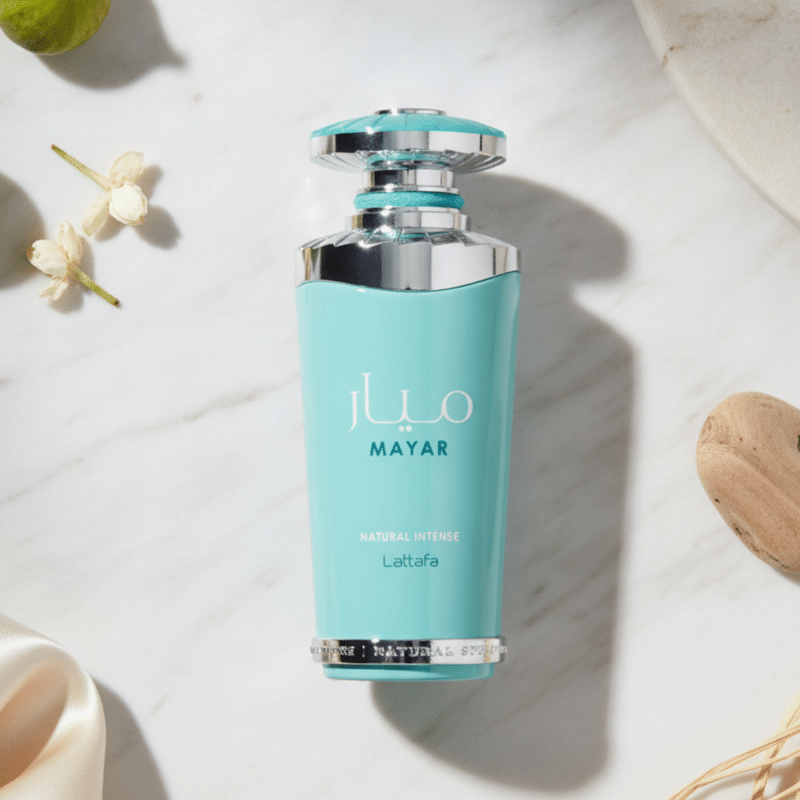
Mayar Natural Intense: watery fruit with flowers
Lattafa lists fig, coconut water, green tangerine, and melon first. Lotus, jasmine, and water lily follow, while musk, sandalwood, vanilla, and ambroxan form the base.
Our editorial suggestion: explore this bottle if watery florals and fresh fruit appeal more than smoke. However, do not expect coconut water to mean creamy coconut dessert.
On Fragrantica and Parfumo, positive comments describe aquatic freshness and fruity florals. In contrast, critical comments mention excessive greenness, a cleaning-product impression, or an unwelcome dry-down. So, try it first if those qualities often bother you.
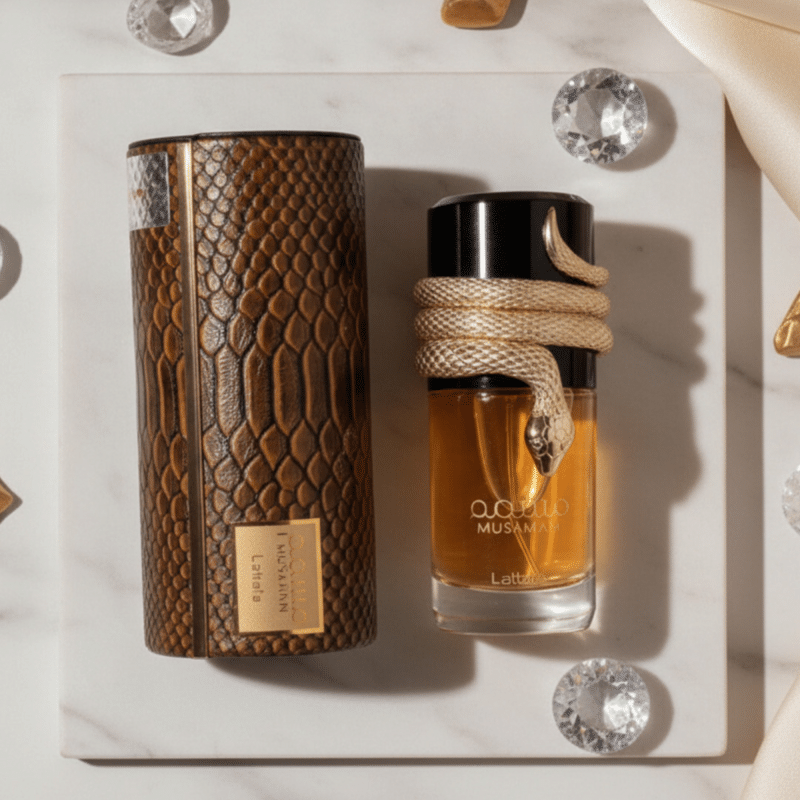
Musamam Gold: saffron, aromatic notes, and incense
Lattafa’s original Musamam profile names mandarin, lavender, and saffron first. Geranium, cedarwood, and amberwood follow. Finally, incense, Akigalawood, and cistus shape the published base. SWID calls this gold-toned bottle Musamam Gold.
Our editorial suggestion: consider it for spice and resinous woods, especially if you already enjoy darker fragrances. However, its mandarin opening does not make it a simple fresh citrus choice.
Reviewers on Fragrantica and Parfumo describe smoky, leathery impressions with woody depth. Some enjoy that character, while others find it harsh, rubbery, or overly forceful. Therefore, this deserves a test before purchase if you dislike smoke or leather-like scents.
First, name two qualities you enjoy, such as fresh and floral.
Next, name one quality you avoid, such as smoke or dessert sweetness.
Then compare the entire note profile, including the base.
Also, read critical reviews for your specific concern and exact edition.
Finally, test the fragrance when possible and revisit it after the opening settles.
Write down what you actually notice rather than trying to identify every listed note. For example, “fresh flowers, then sweet wood” can guide your next purchase. You can also contact SWID with those preferences.
Explore the notes you enjoy through a SWID custom perfume
If the note direction matters more than a branded bottle, then explore the SWID oil library. For example, its notes section lists Mukhallat Damas Rose, Vanilla, and Musk Powder. Check each entry’s current availability before choosing.
Then use the custom-perfume builder for either one ready scent or an eligible blend. The builder makes perfume sprays: one oil in 30 ml, or up to five in 50 ml, 60 ml or 100 ml. Complimentary name engraving adds a personal detail; also, check the eligible bottles.
These are SWID fragrance selections, separate from the original branded perfumes above. Likewise, inspired-by oils do not imply manufacturer affiliation or promise identical formulas or scent matches.
Local shoppers can visit SWID Perfumery at 953 Main St, Paterson, NJ 07503. There, explore scents and discuss preferences with staff. Meanwhile, distant shoppers can begin with the online builder and oil library. Use SWID’s contact page for current hours and ordering assistance.
Which Arabian perfume notes should a beginner choose?
Start with familiar preferences rather than a required ingredient. For example, explore florals if you enjoy flowers, or vanilla if you like warmth. Then investigate a contrasting note once you understand that starting point.
Do all Arabian perfumes contain oud?
No. Instead, many fragrances emphasize fruit, flowers, citrus, musk, or sweet accords. Read the exact edition’s profile rather than assuming that its category guarantees oud.
Does “natural” in a perfume name describe its ingredients?
The name alone does not establish ingredient content. For example, Mayar Natural Intense names a specific fragrance edition. Ask the manufacturer for explicit formula information if natural content matters to you.
Which notes make an Arabian perfume last longer?
Notes alone cannot establish a wearing time. Although woods, musks, and resins often feature in lasting bases, the full formula matters. Also, read how Arabian perfume longevity varies before relying on a performance claim.
Choose a scent direction you want to wear. Then browse SWID’s Arabian perfume collection or explore the oil library for a more personal starting point.
 Luxury Fragrance House